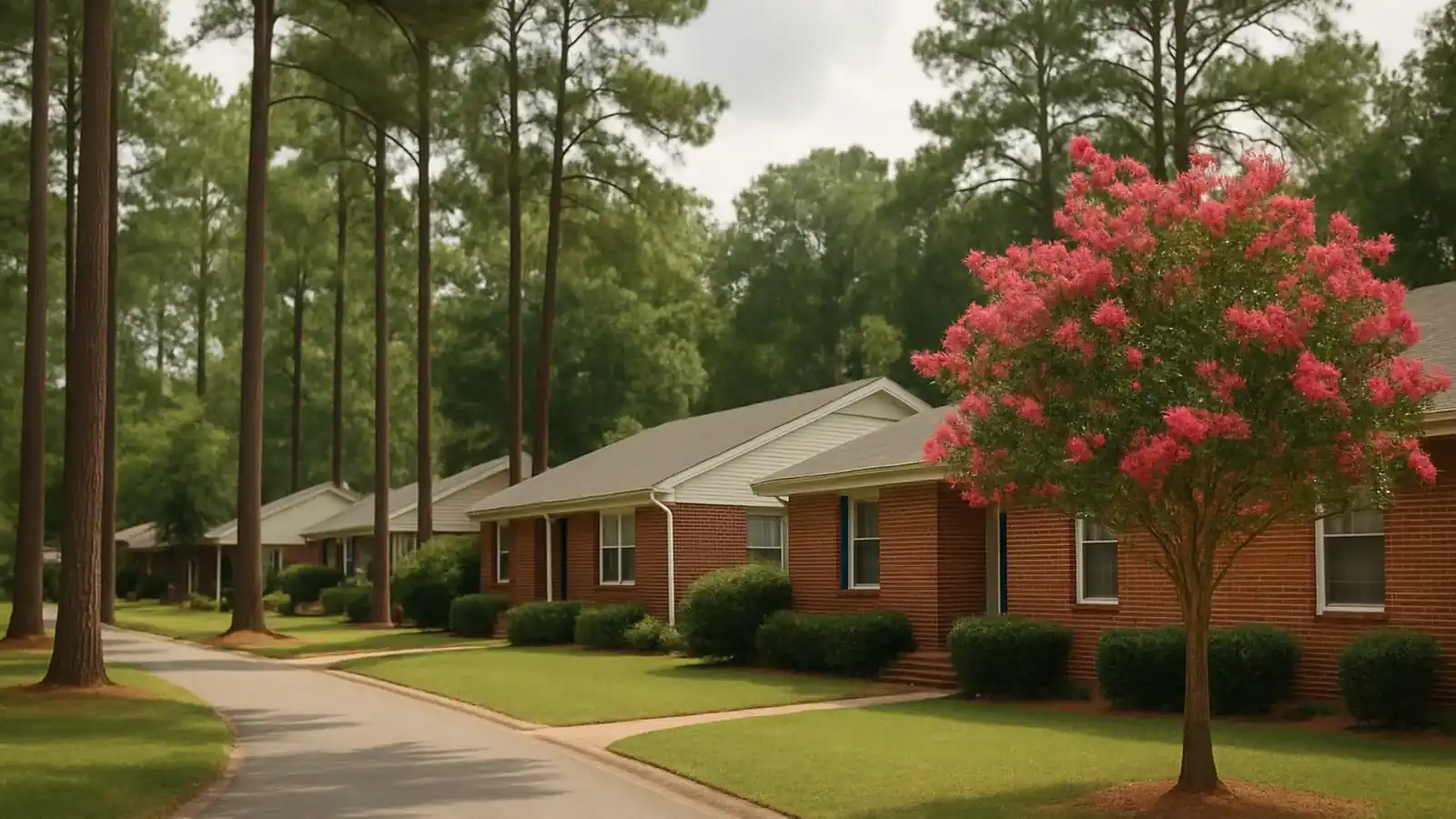
Full encapsulation of an Irmo crawl space usually costs between $4,000 and $14,000, depending on square footage, water management and framing condition. Irmo requests go to one independent local specialist; get the readings before any quote.
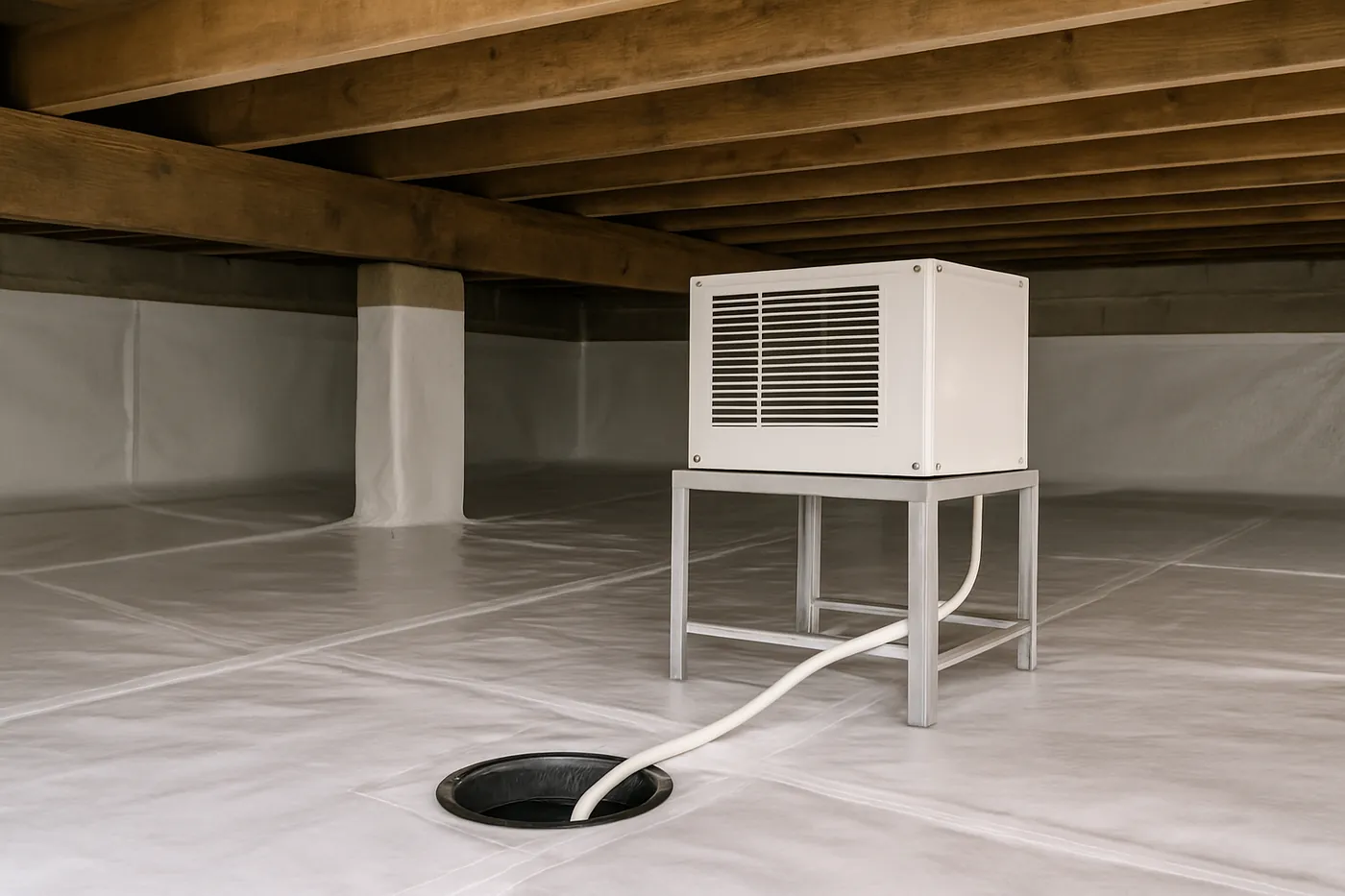
Corridor-era stock, mid-ledger
Irmo built out with the Harbison boom: two-story family stock from the 80s and 90s now twenty-five to forty summers into the vented experiment. That's mid-ledger territory: enough seasons above the line for the must to have a schedule and the first spans to soften, not so many that repairs dominate scopes. Clay predominates here, so storm-water stages appear in Irmo quotes more often than in sandier corners of the Midlands.
Mid-ledger playbook
The typical Irmo campaign runs the full read: drainage where the clay holds storms, targeted repair on the early-softened spans, then the seal-and-dry that closes the ledger. Two-stage jobs can price as one campaign, and the inspection should sort must-do from can-wait honestly.
Asked in Irmo
Our downstairs smells musty but only in summer. Why seasonal?
That's the engine's calendar: condensation runs May to October when outdoor dew points exceed your crawl's cooled surfaces. Winter shuts the engine off and the must fades. Seasonal must is diagnostic gold: it points at air-driven moisture, which the seal-and-dry answers completely.
Is 1980s framing worth repairing versus replacing?
Almost always worth it: the era's lumber was honest, and softening is usually localized to condensation's favorite spots. Sistering and sill work restore full service for a fraction of replacement talk. The probe-and-photograph pass maps exactly how much the ledger collected.
Are Irmo's 1980s subdivisions at a particular crawl-space age right now?
They're at the age where deferred crawls present their bill: forty years of vented Midlands summers is enough to soften sills where moisture cycled hardest and sag insulation everywhere. The good news is the framing generation: 1980s lumber repairs predictably, and crawls this age usually need targeted work plus sealing, not wholesale replacement.
What's the difference between a $4,000 and a $14,000 Irmo job?
Stages, not markup. The low end is a sound, dry crawl getting liner, sealing, and drying. The high end adds what readings ordered: a drainage stage for storm-fed water, framing repairs where decades left their mark, larger footprints, taller spec. Ask for a scope that itemizes its stages, so you can see exactly which findings built your number.
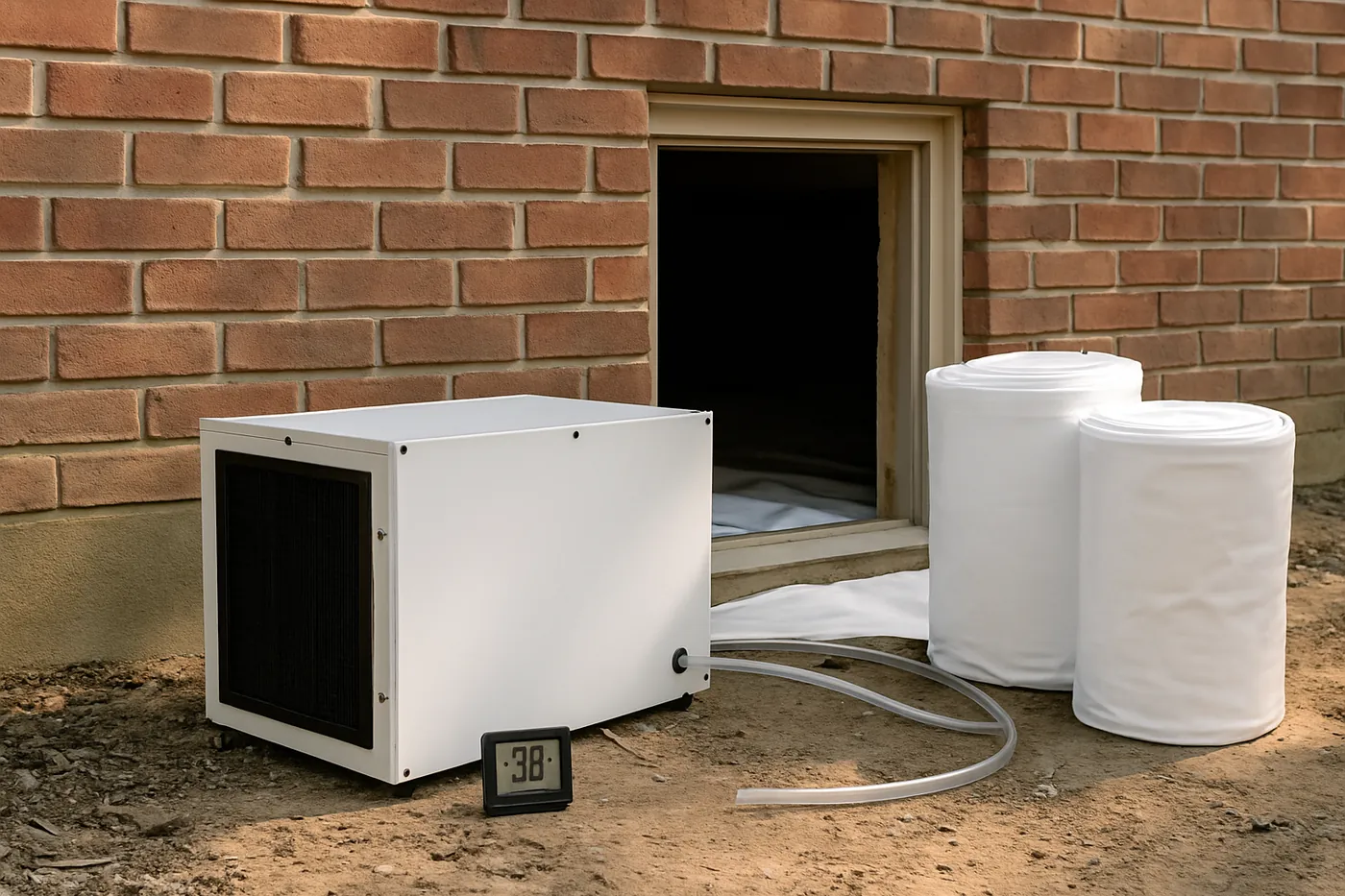
Irmo is older than the Harbison story suggests
The Census estimates for 2020-2024 count about 4,880 housing units in the Town of Irmo, and the two biggest decades are the 1970s at about 33 percent and the 1980s at about 30 percent. The 1990s and 2000s are small by comparison, and the 2010s add about 17 percent. The median home dates to 1985. So the typical Irmo crawl is thirty-five to fifty-five years old, a little further along than mid-ledger, and soft spans near vents and plumbing are common finds.
Saluda River and Irmo's permit rules
USGS gauges the Saluda River below the Lake Murray dam, a few miles from town. Building permits in Irmo come from a third-party service: the town says CC&I issues building permits and certificates of occupancy for all properties in town, regardless of county. The town also requires an Irmo Zoning Permit for all new structures or when structural work is done to an existing building, which can include joist or beam repair in a crawl.
Booking in Irmo
Use the form or call, and a specialist who works in Irmo calls back to set a time. Weighing two quotes? Ask both to itemize, with photos and readings. Prices are in the cost guide.
Get a Columbia crawl space inspection
Tell us what you're noticing (smells, humidity, floor bounce, a wet crawl) and we'll pass your request along for an inspection. You get a call back from a local specialist who serves Columbia.