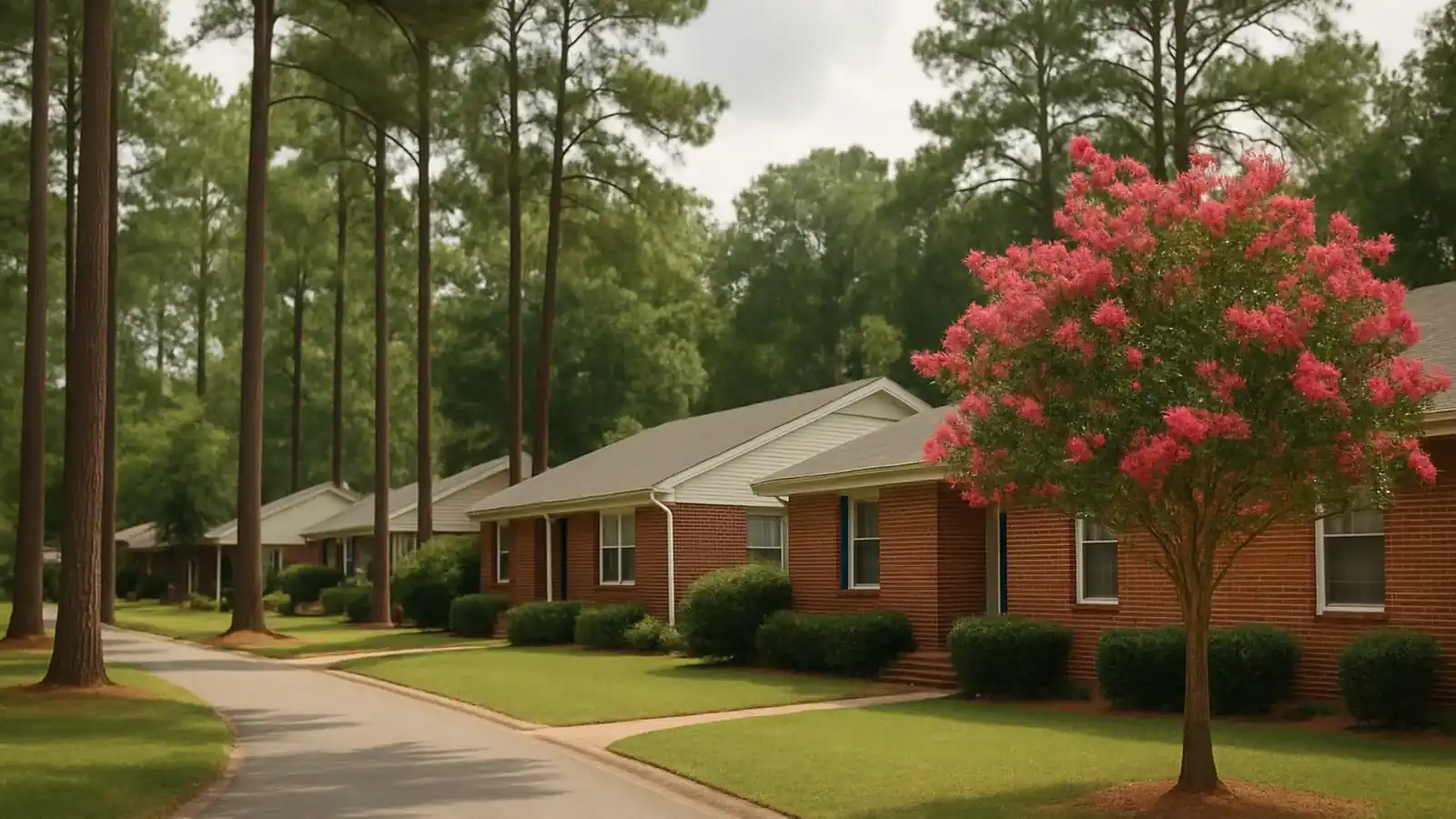
Encapsulating a Forest Acres crawl space typically costs between $4,000 and $14,000, set by square footage, water management and framing condition. Forest Acres requests go to one independent local specialist; insist on readings before any quote.
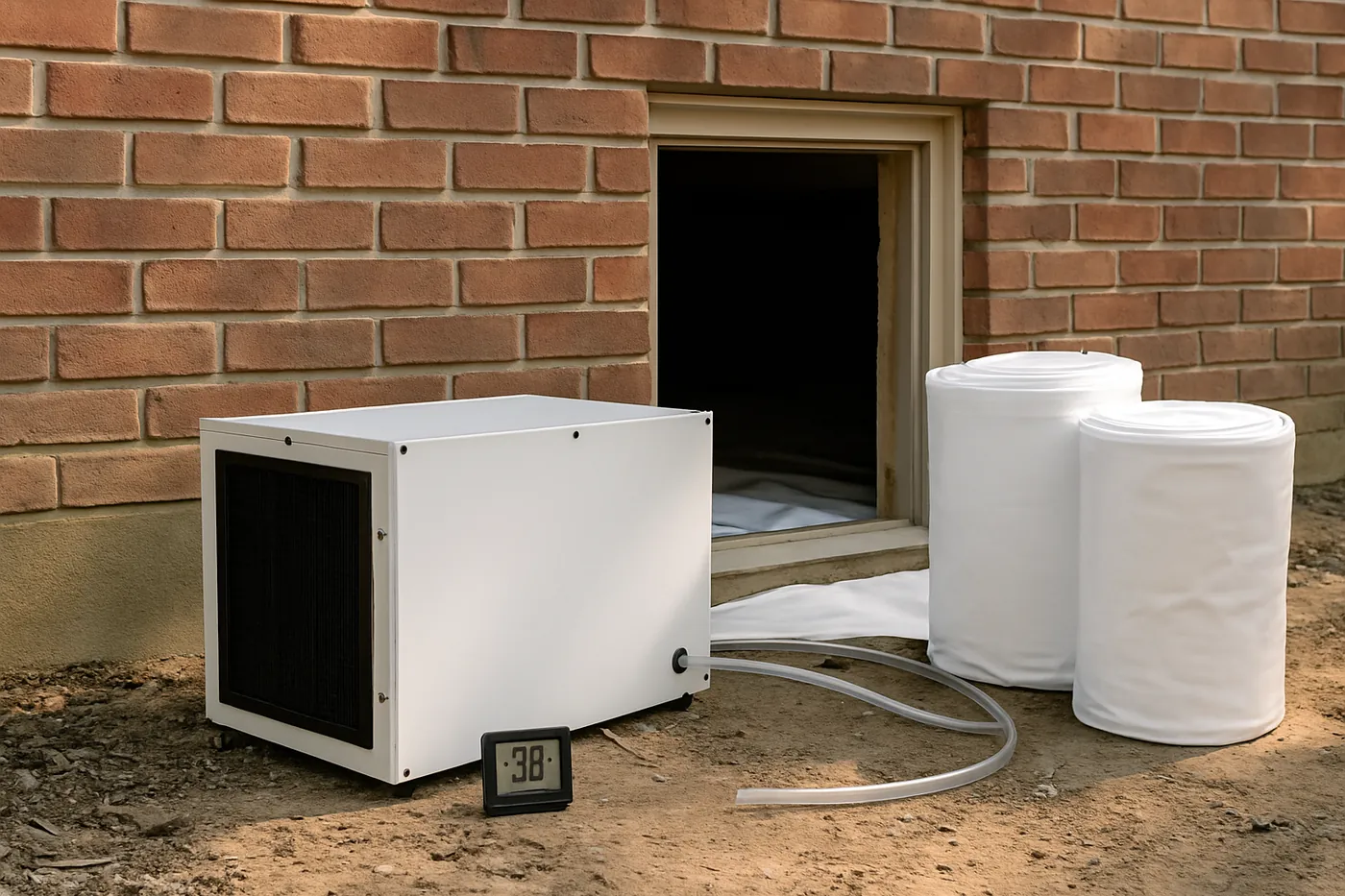
Creek, canopy, and memory
Forest Acres pairs the metro's loveliest tree canopy with the Gills Creek watershed: the drainage that bore the 2015 flood's most famous damage. The combination writes distinctive crawls: creek-adjacent lots with rewritten water paths and recent-history framing, canopy lots where shade keeps ground damp and crawls cool (prime condensation surfaces), and midcentury housing whose vented design has logged sixty humid summers.
Watershed-aware work
Scopes here start with the creek question (where the lot sits in the watershed, what 2015 did, where storms travel now) then run the standard sequence with those answers respected: drainage sized to real paths, repair that distinguishes flood signature from ongoing decay, and the seal-and-dry that ends the annual engine under the oaks. The same inspection applies, with watershed history read seriously.
Asked in Forest Acres
Why does heavy shade make crawl condensation worse?
Shade keeps crawl surfaces cooler (further below summer dew points) so vented humid air condenses on them more readily and longer into the evening. Canopy lots trade sun-baked ground for condensation-friendly temperatures; the sealed system answers both, but dryer sizing respects the shade.
Post-2015, our basement-crawl hybrid never felt right again. Fixable?
Very likely. Hybrids that took flood water often kept vented humidity working on the legacy, which is why 'never felt right' lingers. The inspection separates event damage from ongoing moisture, and the combined fix (drainage where paths changed, seal-and-dry above) typically retires both.
Do Forest Acres' mature lots complicate drainage routing?
They complicate digging: established landscaping, mature root systems, and hardscape mean discharge lines get routed with more care and occasionally more labor. The trade-off runs in your favor: mature lots also have settled grading patterns that read clearly, so the design is more certain even when the trenching is slower.
Is an in-town Forest Acres crawl cheaper to seal than suburban ones?
Often modestly: in-town footprints run smaller, and smaller crawls seal efficiently. The shade factor pushes back: canopy-slowed evaporation keeps ambient moisture higher, which can size the drying up a notch. Net effect is usually mid-range; the readings, as always, cast the deciding vote.
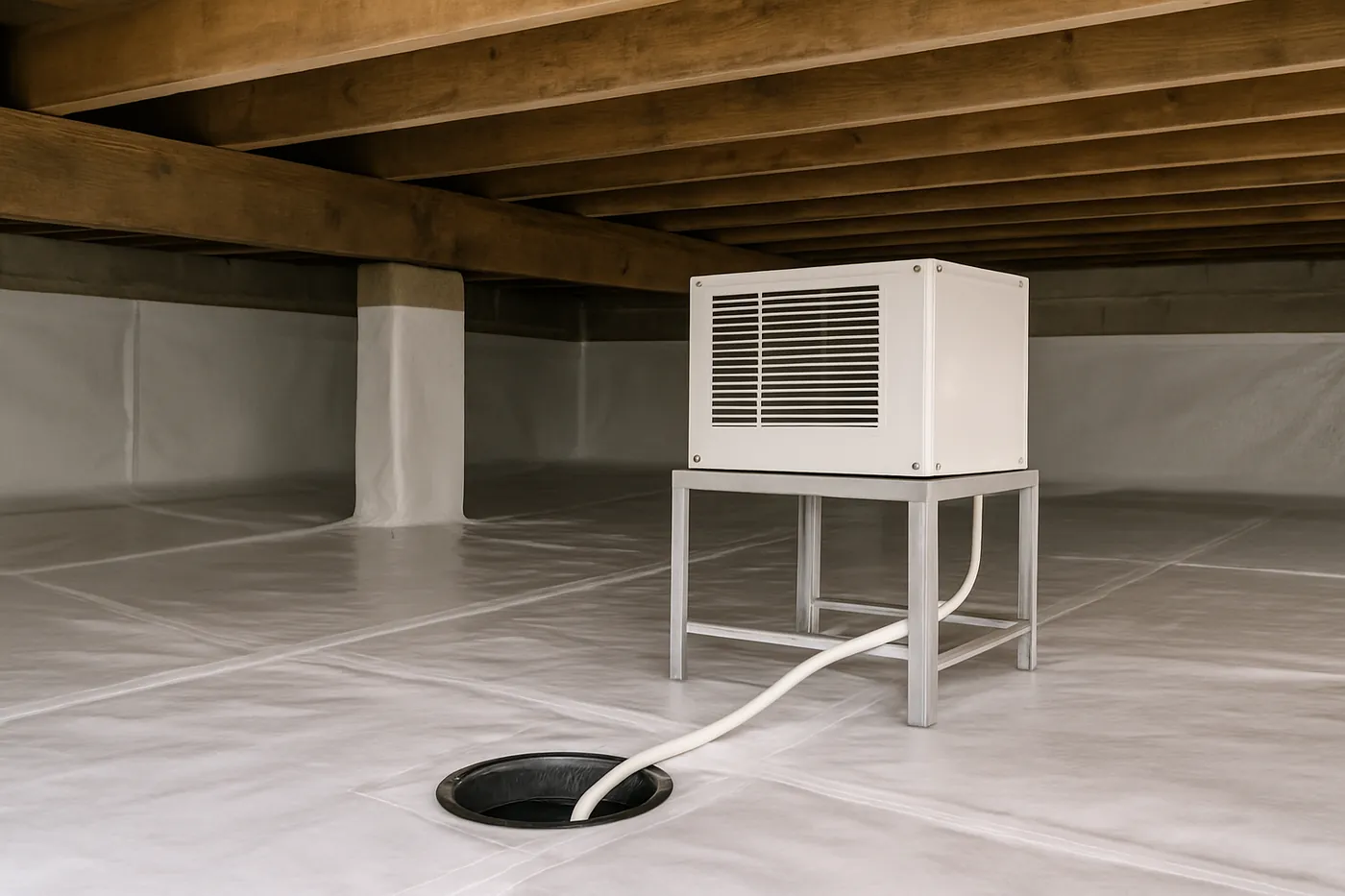
A mid-century city, by the numbers
Forest Acres has about 5,470 housing units in the 2020-2024 Census estimates, and the 1950s and 1960s each account for about 27 percent, more than half the city between them. The median home dates to 1965, and about three in four predate 1980. Only about 8 percent was built in 2000 or later. So the sixty-summer crawls described above are the norm here, not the exception.
Gills Creek and the city's Building Department
USGS has stream records all through the Gills Creek system around Forest Acres, including Gills Creek above Forest Lake, Eight Mile Branch at Covenant Road and Pen Branch. Forest Acres runs its own Building Department, which issues permits and does inspections under the 2018 South Carolina Building Code. It says only contractors licensed by the state Department of Labor, Licensing and Regulation, or homeowners under the homeowner exemption, can obtain permits, so check the specialist's license before work begins.
Booking in Forest Acres
Send the form or call, and a specialist who works in Forest Acres calls back with a time. Holding another quote? Ask for photos and readings from both. The cost guide explains the ranges.
Get a Columbia crawl space inspection
Tell us what you're noticing (smells, humidity, floor bounce, a wet crawl) and we'll pass your request along for an inspection. You get a call back from a local specialist who serves Columbia.