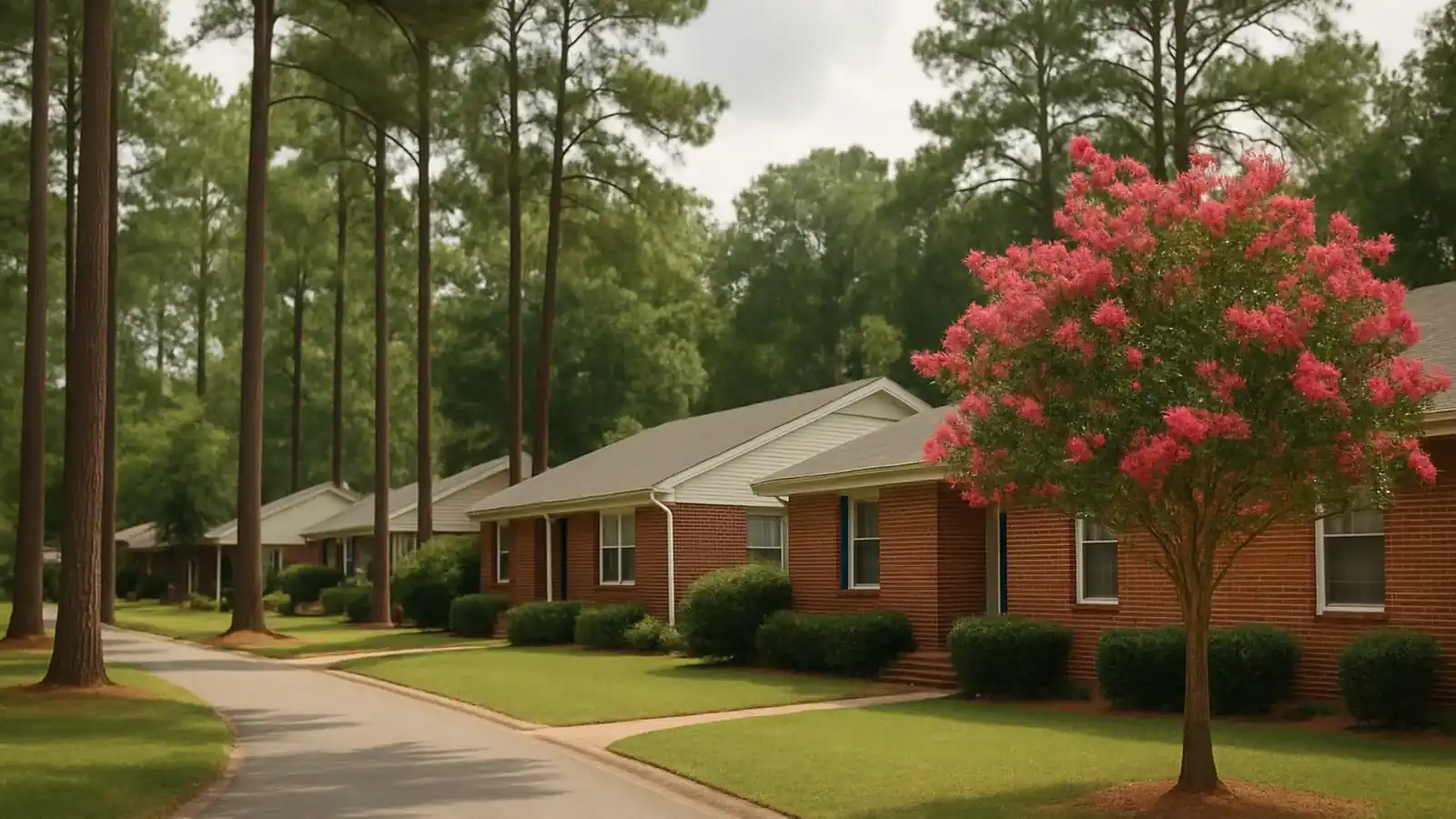
A complete seal-and-dry for a West Columbia crawl runs about $4,000–$14,000, and single stages cost less. West Columbia requests go to one independent local specialist; ask about any inspection fee, and ask for photos, humidity numbers and a written price for each stage.
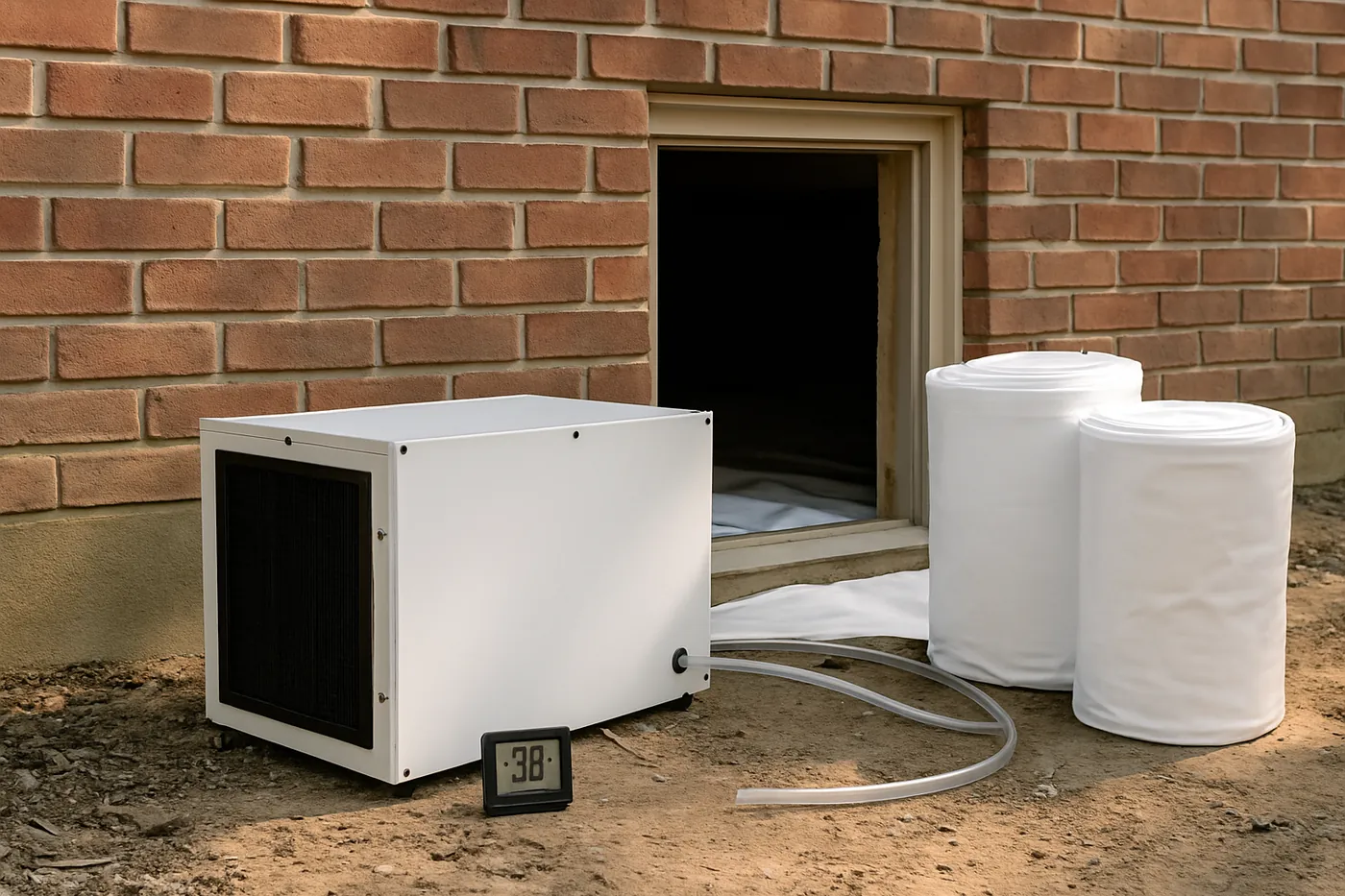
River-town moisture books
West Columbia works the Congaree's west bank: the revitalized State Street district, mill-era neighborhoods, and postwar blocks stepping up from the river. River valleys keep their own moisture accounting: morning fogs feeding the air, higher tables in the lowest streets, clay that rarely dries all the way. The housing spans a century, which means crawls from every era of ventilation theory, all of them refuted by the same summers.
Bank-side craft
Older mill-era crawls get vintage handling: fitted barriers under low framing, sill and beam work where the river decades softened wood, drainage designed around brick-pier geometries. The postwar stock runs the standard sequence with river-valley sizing on the drying. The same inspection applies on both sides of State Street.
Asked in West Columbia
Do river-adjacent crawls ever really stay dry?
Yes. With river-rated sizing: drying capacity that respects fog-fed air, drainage that respects the table, discharge routed with the valley in mind. Sealed systems near the Congaree hold their numbers; they just earn them with properly sized equipment rather than optimism.
Our mill-village house has brick piers and a low crawl. Serviceable?
Very: low pier crawls are fitted-liner territory, sealed around each pier, with compact drying sized to the volume. Access adds labor honestly; the result matches any suburban install. Century crawls take modern moisture control well when the design respects their geometry.
Do Congaree-corridor crawls need flood-aware design?
River-adjacent lots get drainage designed for the corridor's reality: sumps with battery backup (storms and outages travel together), discharge with fall that works when the ground is saturated, and liner detailing that tolerates an occasional wet event without wholesale failure. It's standard engineering here, priced as stages the readings justify.
Our West Columbia rental house has a neglected crawl. Landlord-practical options?
The staged approach fits rentals: moisture control and a Class I barrier stop the ongoing damage at the efficient end of the range, with full sealing as a later stage if the property's economics support it. What doesn't fit rentals is ignoring standing water: framing repair costs compound faster than drainage costs, and tenants report smells before owners see invoices.
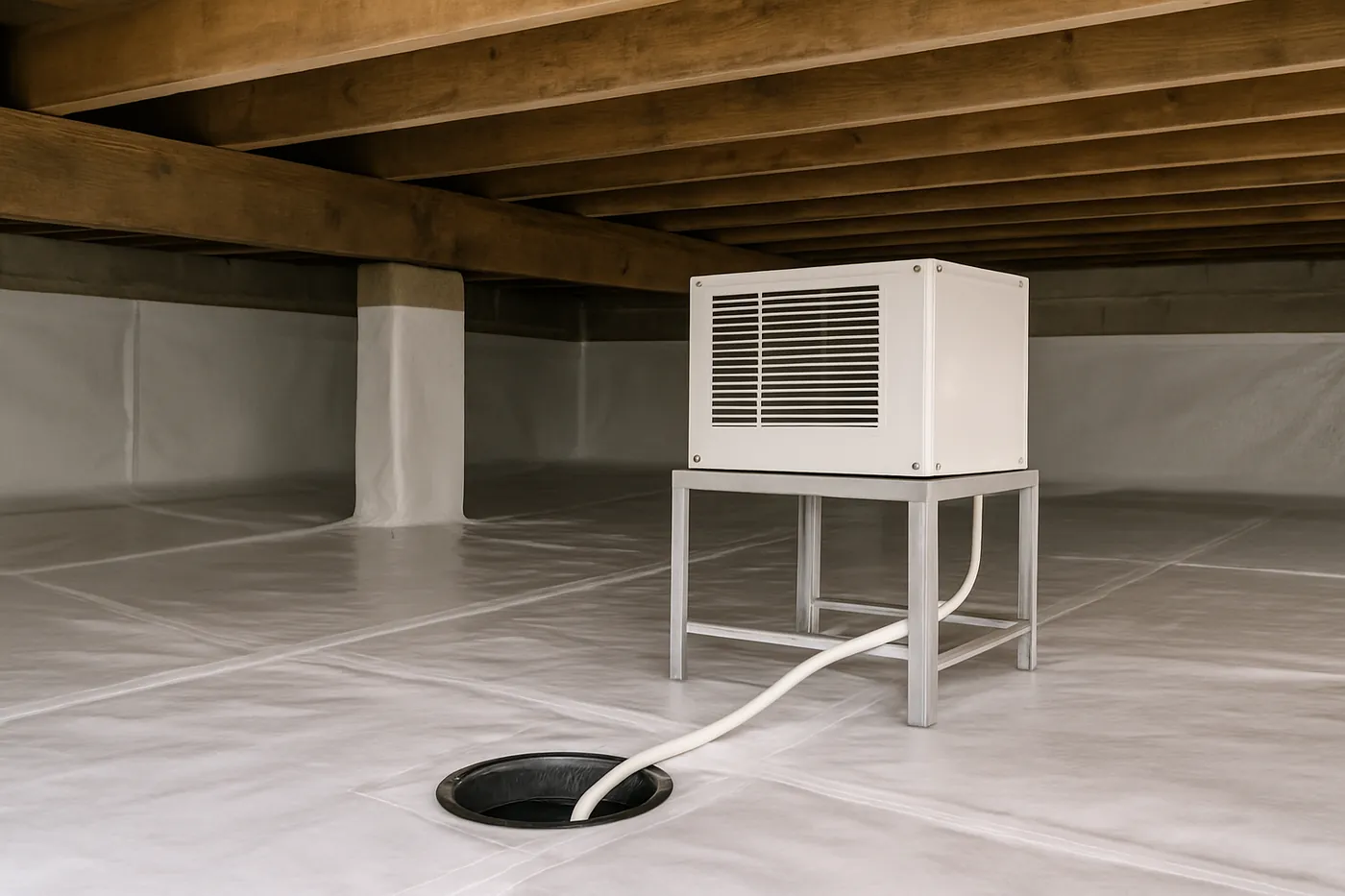
West Columbia's housing by decade
West Columbia has about 9,320 housing units in the 2020-2024 Census estimates, median year built 1976. The 1950s are the largest decade at about 18 percent, followed by the 1960s at 15 and the 1970s at 13, and more than half the city predates 1980. About 9 percent predates 1950. Only about half of units are owner-occupied, so many requests come from landlords. An older rental with a musty smell is worth a written report that both owner and tenant can see.
Saluda and Congaree, and city permits
USGS gauges the Saluda River near Columbia and the Congaree River at U.S. 321 near West Columbia. Its stormwater program follows the Lexington Countywide Stormwater Consortium and Lexington County Stormwater Ordinance 19-10. The Building Department says all permits must be obtained before construction starts, subcontractors pull their own electrical, plumbing and mechanical permits, and inspections follow the 2021 South Carolina Building Code and the 2020 National Electrical Code.
Next step for a West Columbia crawl
Note when the smell is worst and whether the floor dips anywhere. The inspection takes under an hour and should leave photos and readings with you. The cost guide explains every price.
Get a Columbia crawl space inspection
Tell us what you're noticing (smells, humidity, floor bounce, a wet crawl) and we'll pass your request along for an inspection. You get a call back from a local specialist who serves Columbia.