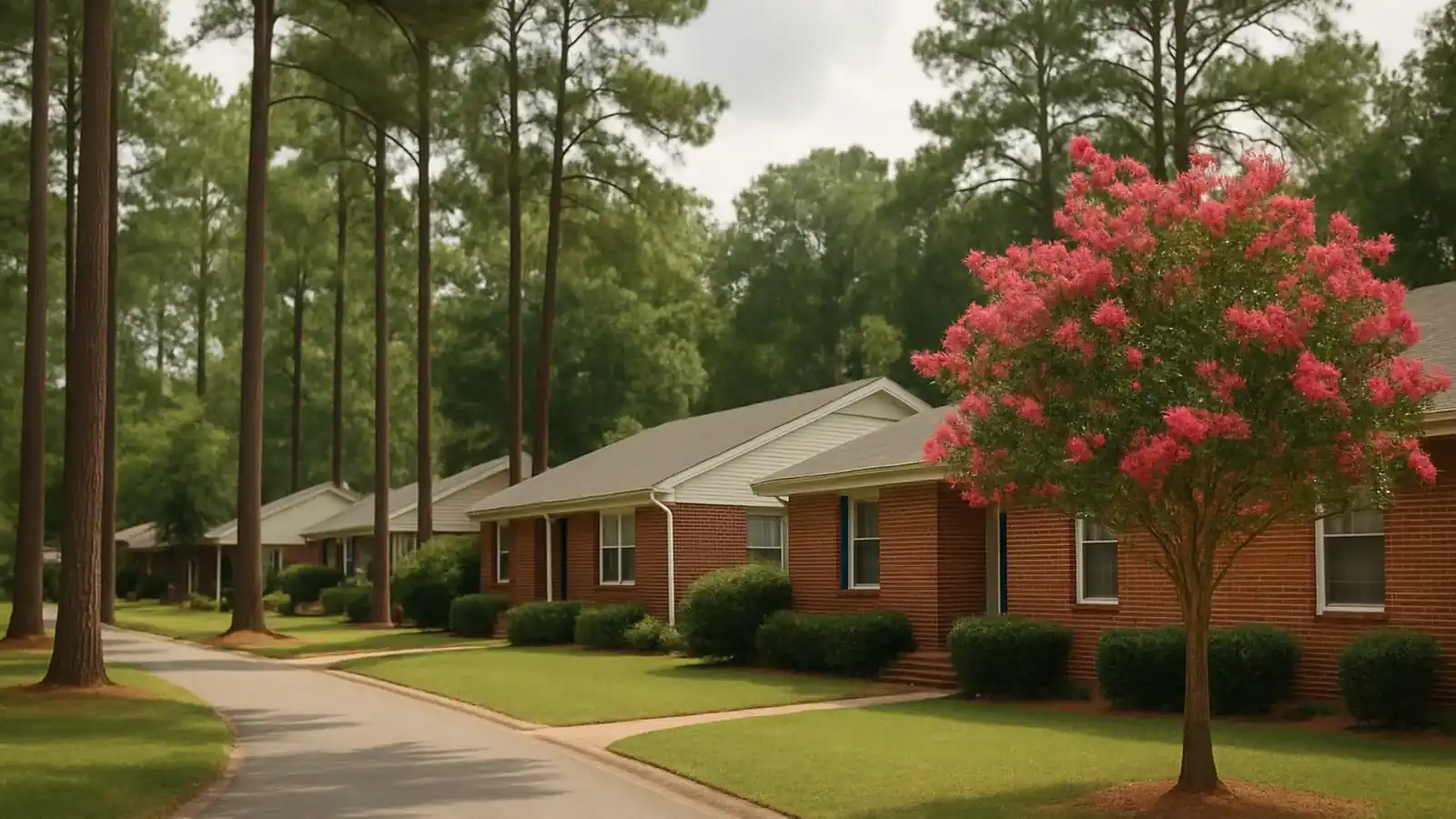
A full seal-and-dry for a Blythewood crawl space costs about $4,000–$14,000, and single stages cost less. Blythewood requests go to one independent local specialist; ask about any inspection fee, and ask for photos, humidity numbers and a written price for each stage.
Sandy ground, vapor economy
Blythewood's newer subdivisions ride the sandhills transition: ground that passes storm water quickly and rarely puddles a crawl, then exhales vapor upward all year with sandy generosity. The local crawl economy runs on air and vapor rather than liquid, which changes the fix mix: drainage stages are rare here; ground seals and drying do the heavy lifting under houses young enough to catch early.
The vapor-country package
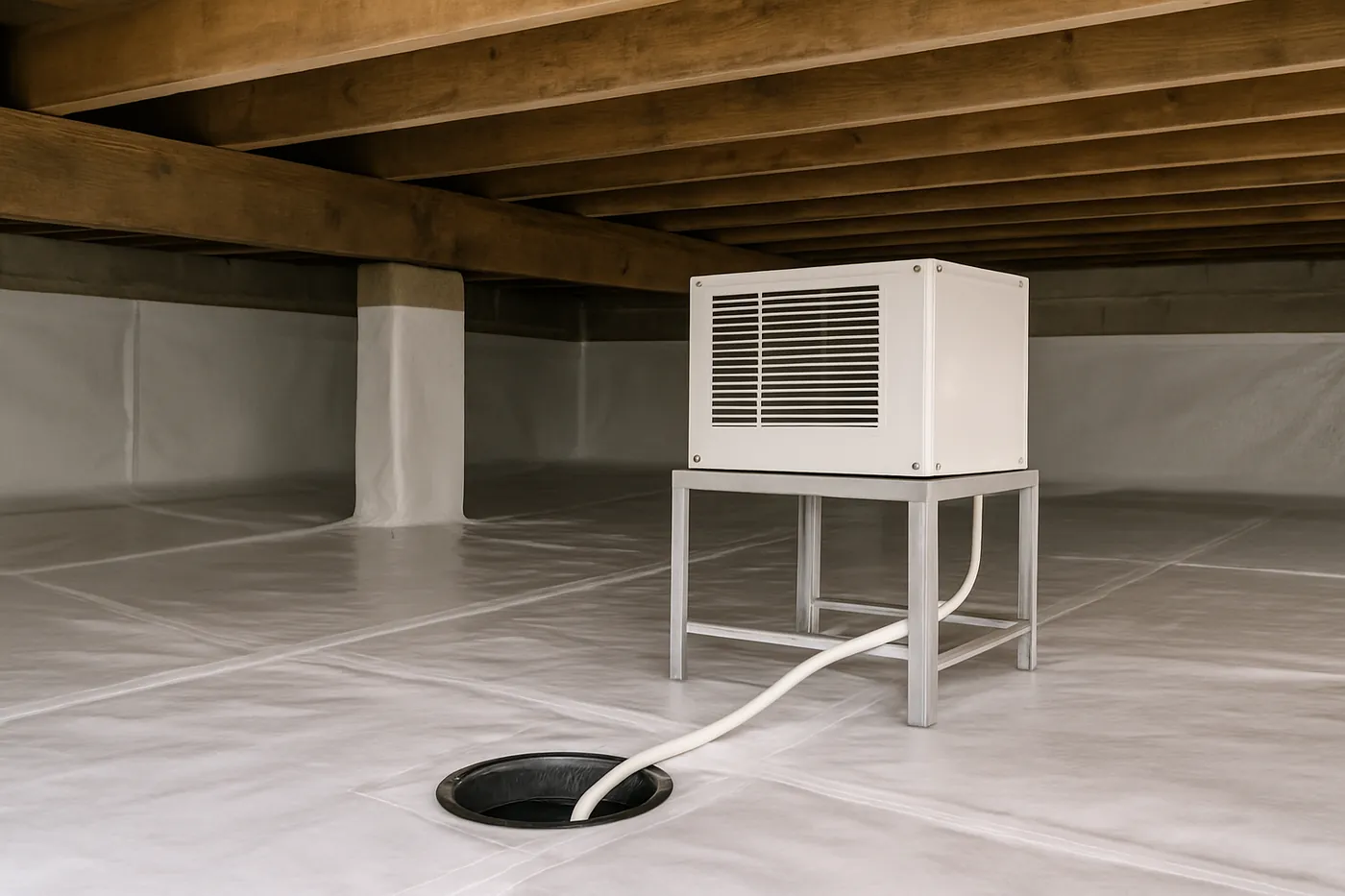
Blythewood's typical scope is the clean version: Class I ground seal silencing the sandy exhale, drying sized for the corridor's air, vents closed, the full engine-off without the water-stage costs clay-side lots carry. Young framing keeps repair lines off most quotes. It's the metro's best-value encapsulation territory, and the readings prove it house by house.
Asked in Blythewood
Our crawl never has water but the readings are always high. How?
That's vapor country: sandy ground passes liquid but breathes moisture continuously, and vented summer air does the rest. No puddles needed: the RH tells the truth. The ground seal plus drying answers it completely, usually without any drainage line.
Does skipping the drainage stage risk regret later?
Not when the water trace supports it: sandhills lots that pass liquid genuinely don't need collection systems, and a good specialist puts that finding in writing with the inspection photos. If a specific lot bucks the pattern, the trace catches it; stages should follow readings, not defaults.
Our Blythewood home sits on a big wooded lot. Does that change the spec?
Woods change the moisture math the way shade always does: slower evaporation, damper ambient air, higher baseline readings even without liquid water. Sealing spec stays standard; drying spec sizes to the readings, which run higher under canopy. The inspection's hygrometer placement matters most here: measure the crawl's true corner, not its doorway.
Are newer Blythewood builds worth sealing preemptively?
It's the cheapest version of the work you'll ever buy: young framing with no repair ledger, clean grade, efficient sealing, prevention pricing instead of remediation pricing. The Midlands climate guarantees the humidity will arrive; sealing before the first soft sill means the crawl never starts the ledger the older towns' pages describe.
Blythewood is the youngest town on this site
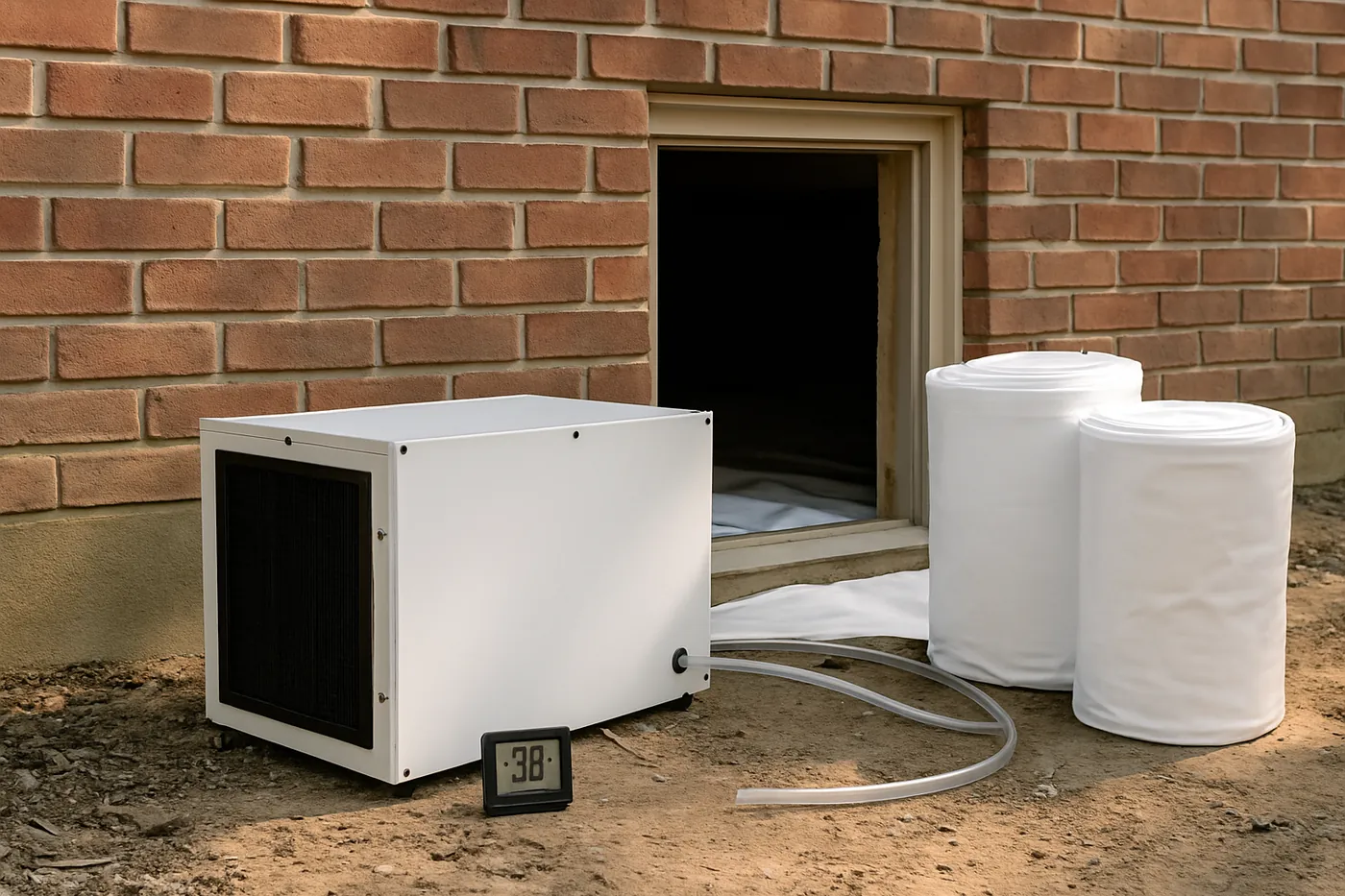
The 2020-2024 Census estimates count about 2,330 housing units in the Town of Blythewood, and close to half were built in the 2010s alone. About 73 percent date from 2000 or later and roughly nine in ten from 1990 on, with a median build year of 2010. Only about 6 percent predate 1980, and about 80 percent of units are owner-occupied. For a crawl inspection that means sound framing in most houses and a chance to seal the crawl before vented summers do lasting damage, which is the early-catch case described above.
Center Creek and the town's permit portal
USGS has records on Center Creek at I-77 near Ridgeway, a few miles north of town. Even on sandy lots, a sump or drain line needs a planned outlet, so ask where the water goes. Blythewood's Design and Development department links its permits and inspections to an online portal; ask the town, or the specialist, whether dehumidifier wiring or any framing repair on your job needs a permit there.
Next step for a Blythewood crawl
On a young house, the useful baseline is a summer humidity reading under the floor. The inspection usually takes under an hour and leaves photos and numbers. The cost guide explains each price.
Get a Columbia crawl space inspection
Tell us what you're noticing (smells, humidity, floor bounce, a wet crawl) and we'll pass your request along for an inspection. You get a call back from a local specialist who serves Columbia.